
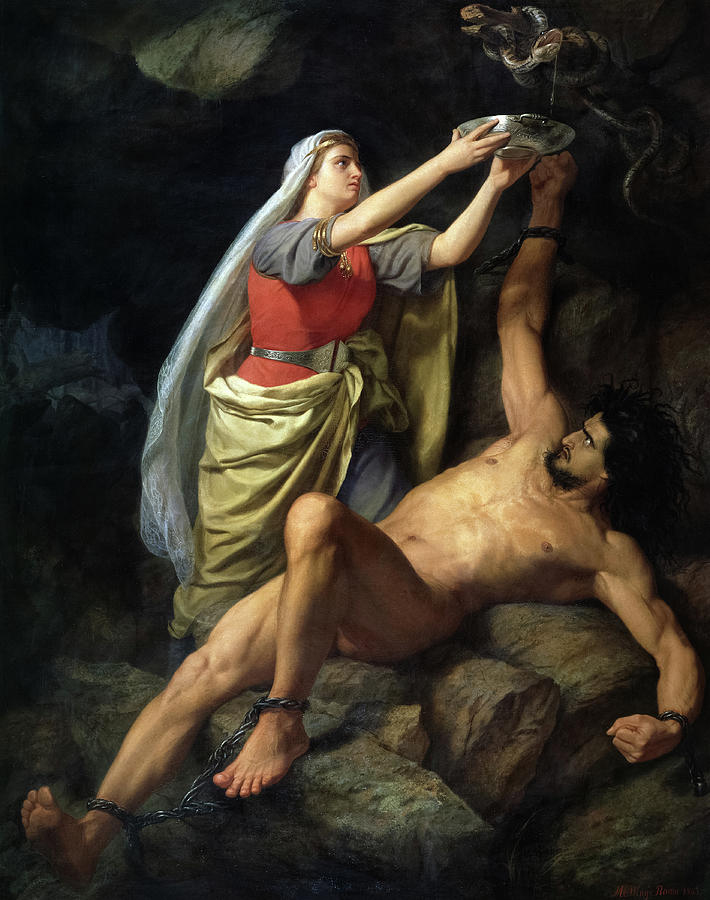
Most people don’t misunderstand Loki by accident. They misunderstand him because it’s easier than looking at what he represents.
You’ve probably heard it before.
Loki as the liar.
The manipulator.
The one who ruins everything.
The villain.
It’s a neat story. Easy to follow. Easy to repeat.
And completely insufficient.
What People Prefer to Believe
There’s a version of folklore that gets passed around because it’s comfortable.
In that version:
- gods are stable
- order is good
- disruption is bad
And anything that unsettles the system becomes the problem.
Loki fits neatly into that role, if you don’t look too closely.
But folklore was never meant to be neat.
Loki Doesn’t Break Things Without Reason
If you actually look at the stories, a pattern emerges.
Loki causes problems, yes.
But he also:
- solves them
- creates necessary change
- exposes weaknesses that were already there
He doesn’t introduce chaos into perfect systems.
He reveals that the system was never as stable as it claimed to be.
The Real Function of a Trickster
Trickster figures aren’t random.
They serve a purpose most people would rather avoid.
They:
- disrupt false stability
- force movement where there is stagnation
- expose what others are invested in ignoring
That’s not comfortable.
And it’s not supposed to be.
“What looks like destruction is often exposure.”
Why Loki Gets Framed as the Villain
Because it’s easier.
If you label disruption as “bad,” you don’t have to examine:
- what was disrupted
- why it failed
- whether it should have been left alone in the first place
Calling Loki a villain protects the illusion that everything else was working.
It avoids the more uncomfortable possibility:
That something needed to break.
This Isn’t About Worship
This is where things tend to go wrong.
People swing between:
- demonising figures like Loki
- romanticising them
Neither approach requires much thought.
This isn’t about devotion.
It’s about recognition.
Where This Actually Matters
You don’t need to believe in Loki as a literal figure for this to apply.
You’ve already encountered what he represents.
In moments where:
- something you relied on stopped working
- an idea you held didn’t hold up
- a situation forced you to confront what you’d been avoiding
That’s the function.
Not comfortable. Not tidy.
But necessary.
The Part Most People Skip
Everyone likes the idea of transformation.
Very few like the part where something has to be dismantled first.
Loki exists in that space.
Not as a guide.
Not as a saviour.
But as a force that doesn’t allow things to remain falsely intact.
“Most people don’t fear chaos. They fear what it reveals.”
If You’re Honest About It
The issue isn’t whether Loki is good or bad.
That’s too simple to be useful.
The real question is:
What are you trying to keep stable
that doesn’t actually hold?
Most things aren’t destroyed without reason.
They just stop being protected from scrutiny.